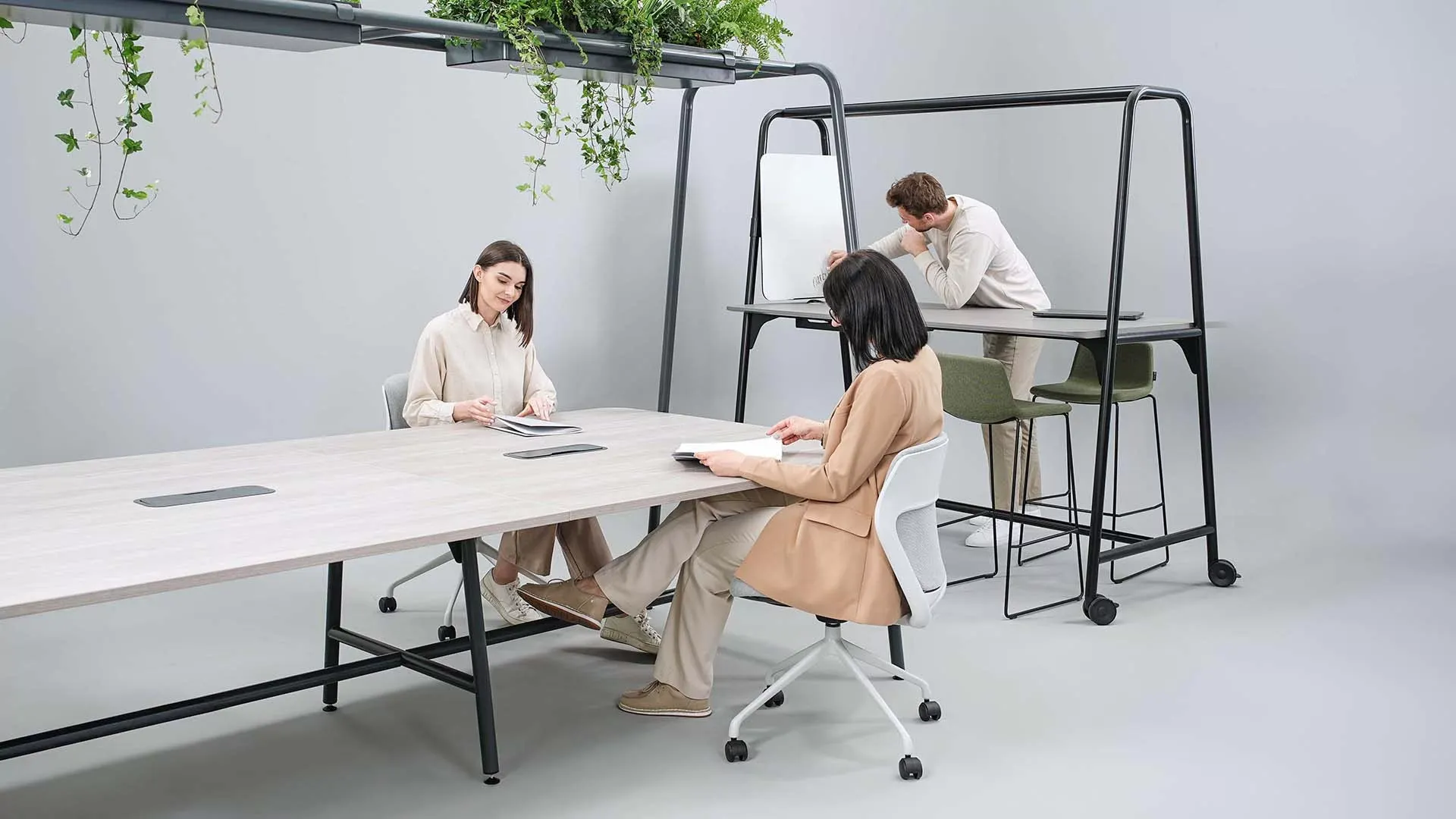
The office is changing faster today than ever before.Not because of architecture, but because of the way we work. Teams evolve, projects have different dynamics, and employee presence fluctuates.A workspace that isn’t prepared for this reality quickly becomes outdated. That’s why modularity is no longer a trend – it’s a natural response to an ever-changing environment.
For a long time, offices were designed as fixed structures,with dedicated workstations, meeting rooms, and clearly defined zones. Today,this model does not always reflect reality. Within a single day, employees move between focused work, collaboration, and short operational tasks. The workspace must be able to adapt continuously, without complex interventions and without compromising quality.
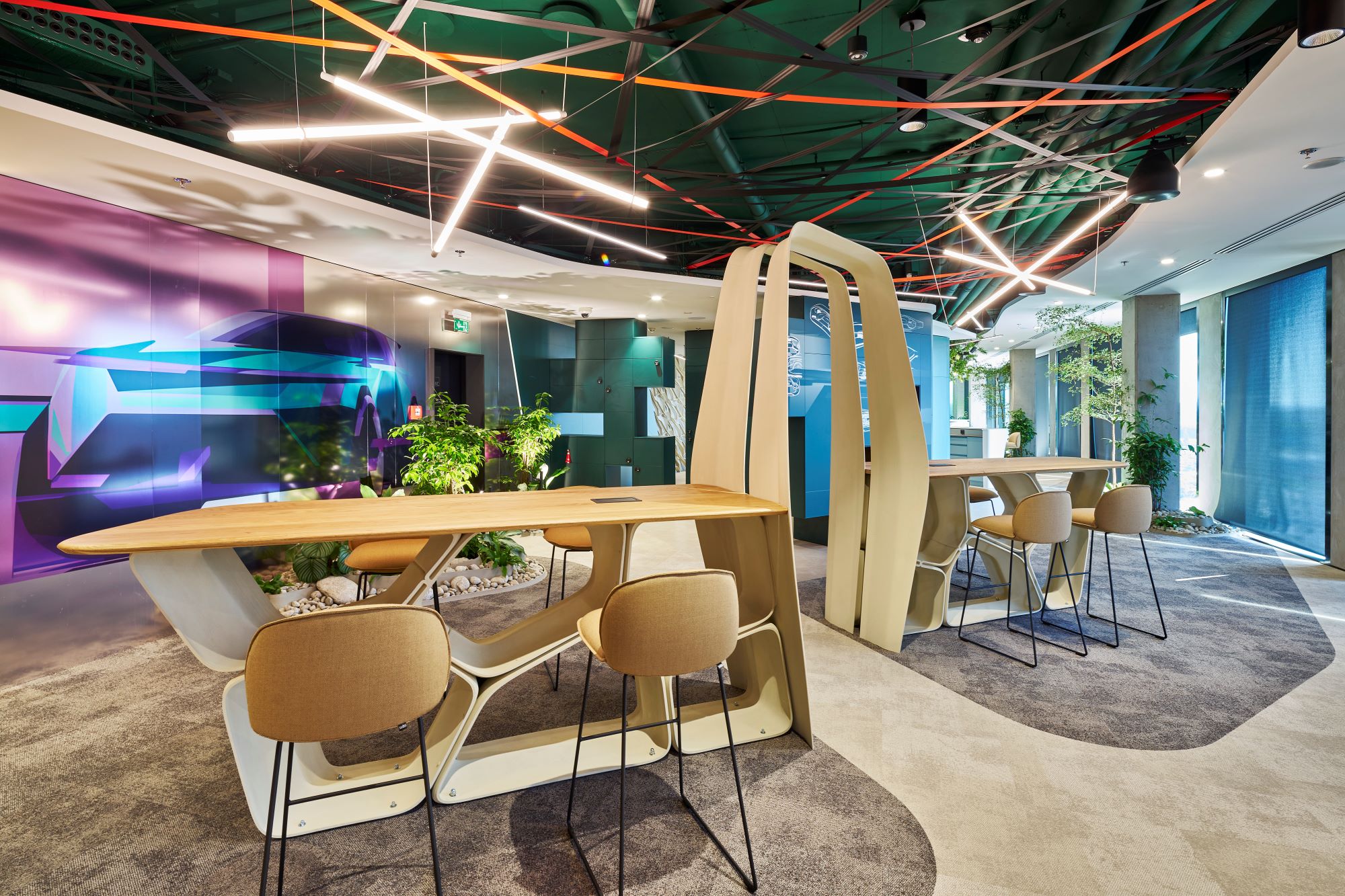
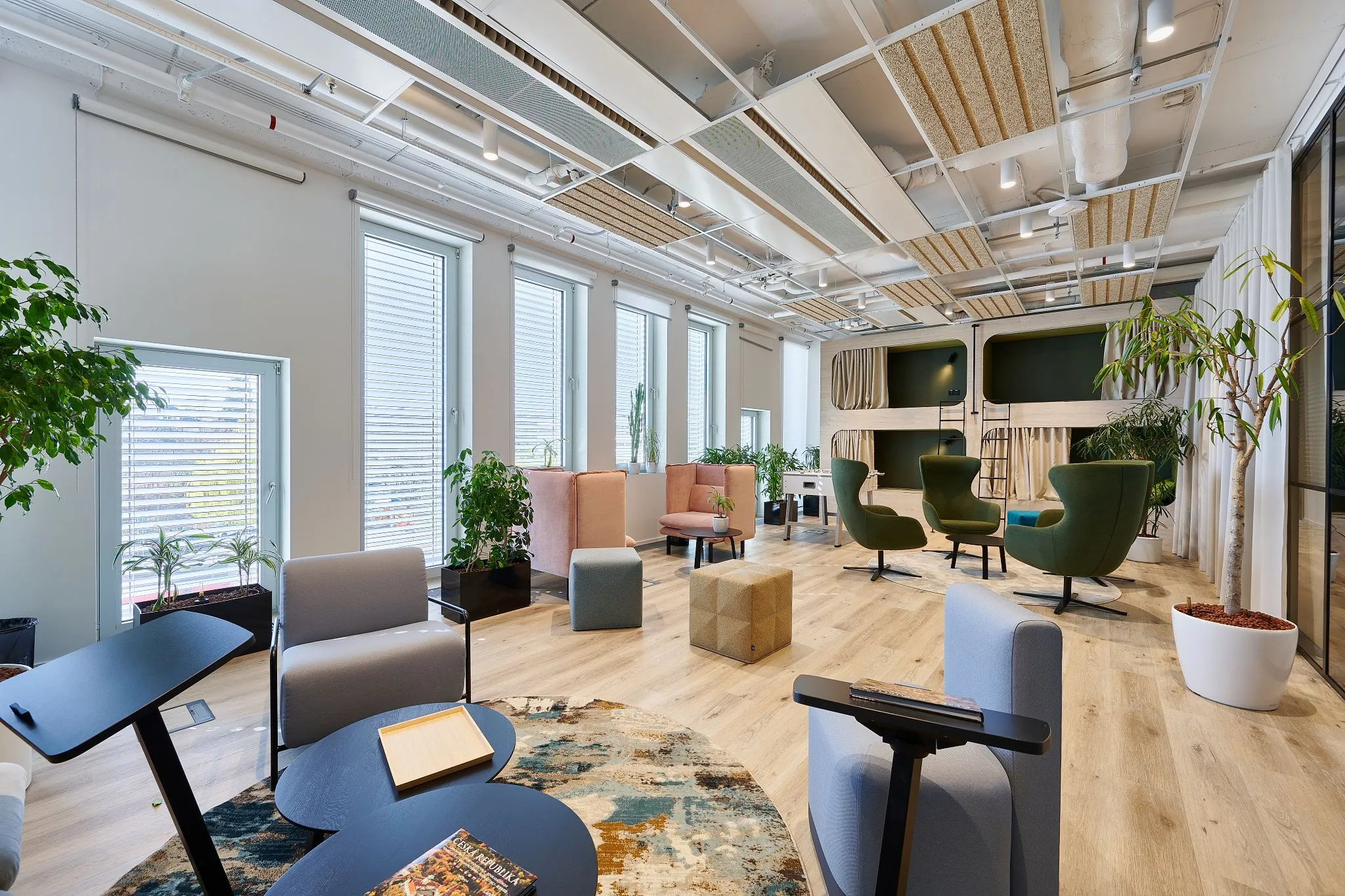
This is also changing the role of furniture. It no longer serves merely as equipment; it has become an active component of the office itself.
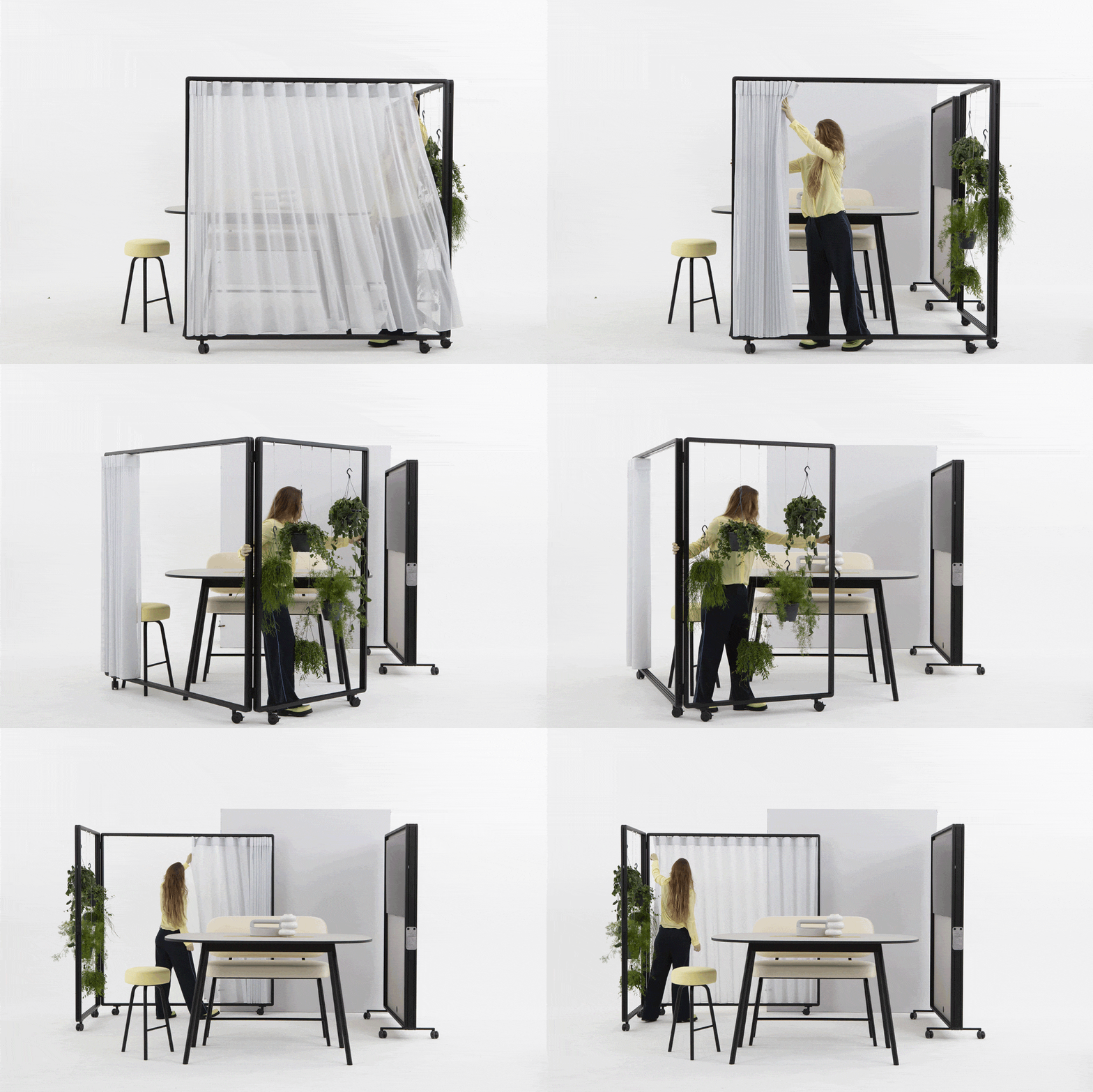
Modular systems make it possible to reorganise teams,create temporary work zones, or return a space to a quieter setting.The key, however, is that these changes must happen instantly. If reconfiguration requires technical support or complicated handling, it simply does not happen in practice.
In day-to-day operations, what matters is not how many configurations a space can offer, but how quickly it can adapt. The technical infrastructure is equally important – power and data connectivity must be integrated into the system rather than becoming an obstacle. This allows the workspace to be continuously reconfigured without construction work and makes it more responsive to change over time.
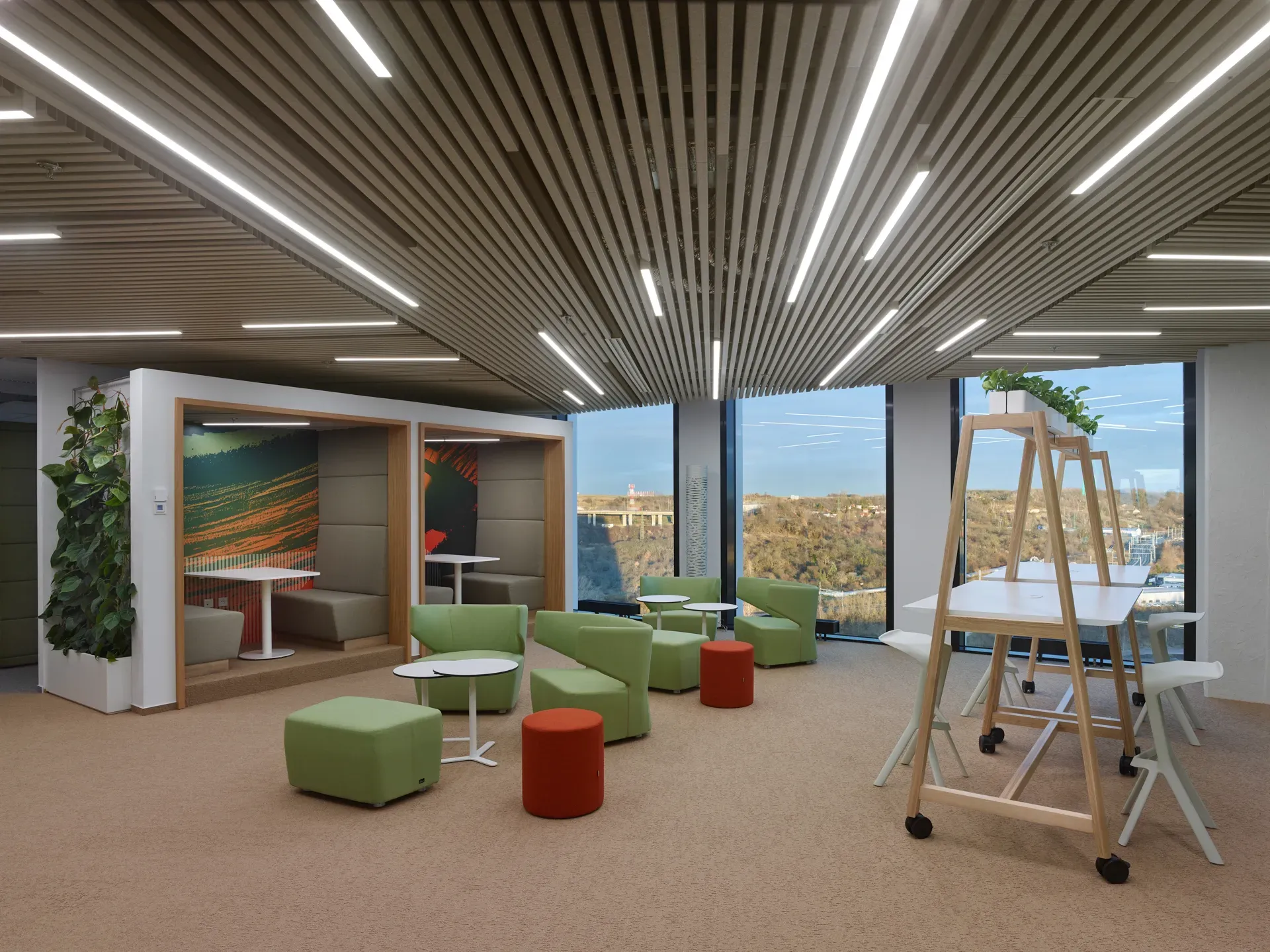
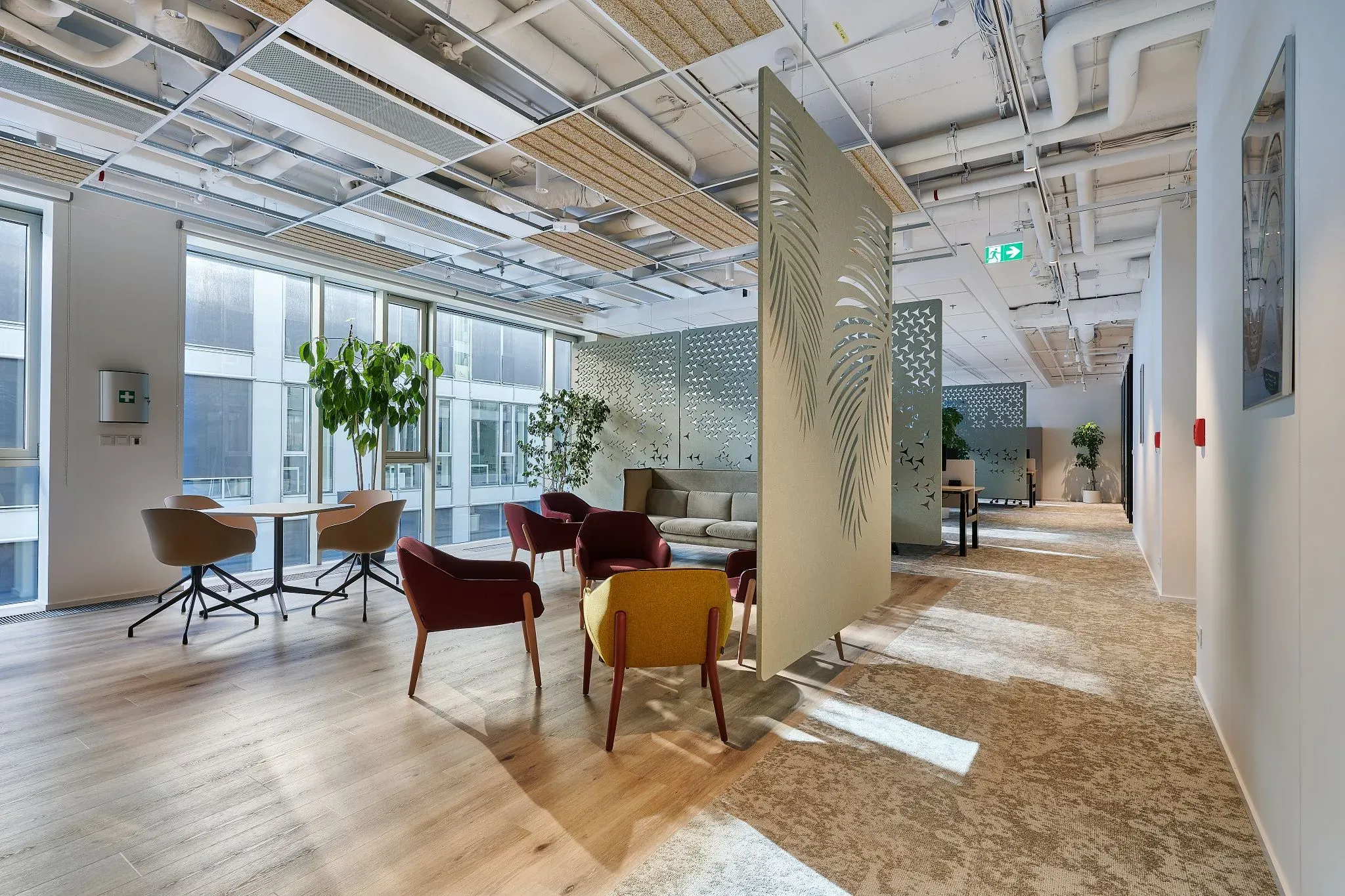
Experience from real projects shows that traditionally designed offices have a limited lifespan. As soon as a company’s structure changes, they stop functioning effectively. Modularity addresses this issue by enabling spaces to adapt to current needs, extending their lifecycle and reducing the need for costly interventions.
Product photos: Cascando, Narbutas
Our pojects:



.svg)
.svg)